Drifting with the Current: A River-Runner's Guide to the Mekong's Seasonal Rhythms

A longtail boat engine sputters near the Pak Beng ferry crossing in Laos, the diesel fumes mixing with the heavy, humid scent of river silt and decaying vegetation. The Mekong isn't a static body of water; it is a massive, pulsing circulatory system that changes its volume, speed, and color based entirely on the seasonal clock. If you show up in July expecting the clear, turquoise waters of a mountain stream, you will find yourself staring at a brown, churning expanse of high-velocity water that makes small-craft navigation nearly impossible. Understanding these seasonal shifts isn't just about weather—it's about logistics, safety, and deciding whether you’ll be drifting through scenery or fighting a current.
The Hydrological Cycle: Three Distinct Phases
To navigate the Mekong effectively, you have to stop thinking about "seasons" and start thinking about "water levels." The river operates on a predictable, albeit violent, cycle driven by the monsoon rains in the upper reaches of the Yunnan province and the Mekong Delta.
1. The High Water Phase (July – October)
This is the flood season. The river expands significantly, often swallowing sandbars and encroaching into the floodplains of Cambodia and Vietnam. From a logistical standpoint, this is the most challenging time for small-scale travel. The water is opaque, laden with sediment, and the current is at its most aggressive.
- Navigation Reality: Small wooden boats and kayaks are at high risk of being swept into heavy commercial traffic or snagging on submerged debris.
- The Trade-off: While the water levels are high, the biodiversity in the flooded forests (like those near Kratie, Cambodia) is at its peak. This is when the river's ecosystem is most active, but visibility for snorkeling or seeing the riverbed is zero.
- Safety Protocol: If you are traveling during this window, ensure your transport operator uses high-horsepower engines. The drag of the heavy current requires more torque than a standard budget longtail might provide.
2. The Receding Phase (November – February)
This is the "Goldilocks" window for most river travelers. As the monsoon rains subside, the water levels drop, revealing the intricate sandbars and smaller tributaries that are invisible during the flood season. The water becomes clearer, and the temperature drops to a much more manageable level.
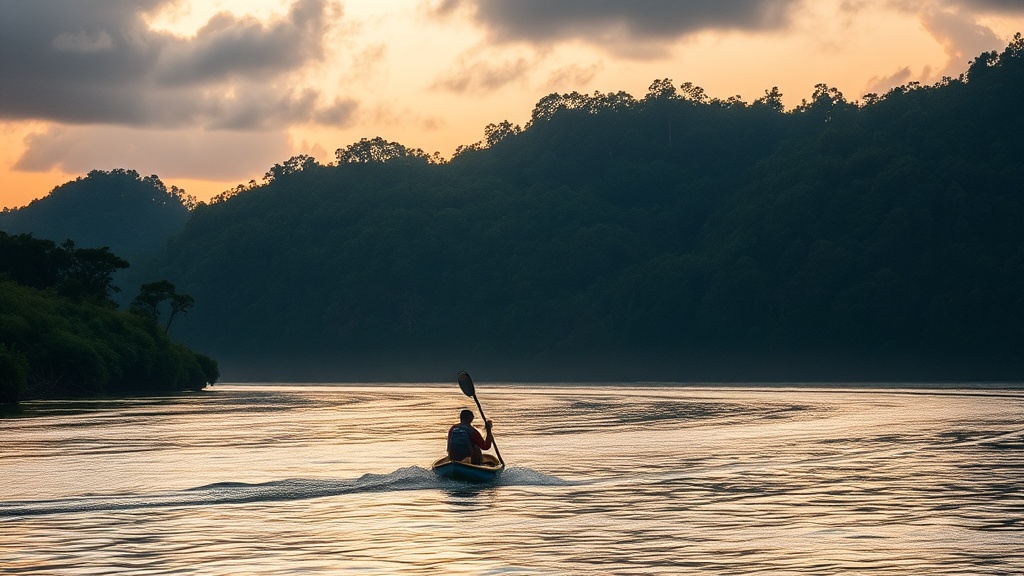
- Optimal Activity: This is the best time for slow-travel by traditional boat or even paddle-based exploration in smaller tributaries.
- Logistical Advantage: Transport is more predictable. Ferry schedules in places like Luang Prabang or Si Phan Don are more reliable when the river isn't actively reshaping its banks every 48 hours.
- Wildlife Sighting: The retreating waters often leave fish trapped in smaller pools, which is a prime time for observing local fishing techniques and birdlife.
3. The Low Water/Dry Phase (March – June)
The river shrinks. In some stretches, particularly near the 4,000 Islands (Si Phan Don) in Laos, the Mekong breaks into a labyrinth of interconnected channels, pools, and rapids. While this creates beautiful scenery, it also introduces significant navigational hurdles.
- The Obstacle Course: Navigating becomes a game of avoiding sandbars. A route that was deep and clear in January might be a shallow sandbank by May.
- Temperature Management: The heat in this phase is brutal. The river acts as a heat sink, and the humidity can feel suffocating. If you are planning a multi-day river trek, your water filtration and hydration logistics must be airtight.
- Water Quality: As the volume decreases, the concentration of sediment and organic matter can increase, making it harder to find potable water sources near the banks.
Logistics of Movement: Longtails, Slow Boats, and Beyond
Moving along the Mekong requires choosing the right "vessel class" based on your budget and your tolerance for physical discomfort. There is no "one size fits all" here.
The Slow Boat (The Budget Standard)
Commonly used between Luang Prabang and Huay Xai in Laos, the slow boat is a heavy, wooden vessel designed for mass transport. It is the most cost-effective way to move, but it is not "leisurely"—it is a functional transport method. Expect long, loud, and bumpy journeys. To make this viable, pack a high-quality pair of earplugs (like Mack's Silicone) to dampen the constant thrum of the diesel engine, and a lightweight, waterproof dry bag for your electronics.
The Longtail (The Flexible Option)
Longtails are the workhorses of the Mekong. They are highly maneuverable and can access narrow tributaries that larger vessels cannot. However, they are also highly exposed. If you are hiring a private longtail for a day trip, negotiate the route in advance. Many operators will take the most direct, high-speed route to save fuel, which means you miss the scenery. Explicitly state that you want a "scenic pace" to ensure you aren't just a passenger on a high-speed transit.
The Private River Cruise (The Premium Tier)
For those looking for a more structured experience, luxury river cruises offer a controlled environment. While these are often criticized for being "disconnected" from the local reality, they provide a level of safety and comfort that is useful if you are traveling with limited mobility or strict timelines. If you choose this route, ensure the cruise line has a transparent sustainability policy regarding fuel usage and waste management, as many of these larger vessels can be heavy polluters in sensitive river ecosystems.
The Sustainability Audit: Avoiding the Greenwash
As you move through the Mekong region, you will encounter many "eco-lodges" and "sustainable tours." Do not take these labels at face value. In a river ecosystem, true sustainability is measured by how a business handles its waste and its relationship with the water.
Check the Waste Management: When staying at a riverside lodge, look at how they handle greywater. Does the lodge have a treatment system, or is the soapy, chemical-laden water from the laundry flowing directly back into the Mekong? A truly sustainable lodge will use biodegradable soaps and have a closed-loop system for water. This is a crucial distinction, as the Mekong is a lifeline for millions of people downstream.
Observe the Fishing Practices: Local fishing is the backbone of the Mekong economy, but it can be destructive. If you see tours promoting "traditional fishing experiences" that involve heavy-handed or harmful methods (like certain types of netting that catch juvenile fish), walk away. Support operators that focus on observational education rather than extractive interaction.
The Plastic Problem: The Mekong is heavily impacted by plastic pollution. When packing, prioritize reusable containers and avoid anything with single-use plastic packaging. If you are navigating the river, carry a high-quality water filtration system like a Grayl Geopress or a Sawyer Squeeze. Relying on bottled water in this region creates a massive logistical and environmental footprint that the river cannot absorb.
Essential Gear Checklist for River Travelers
Don't rely on the "standard" packing list. The Mekong requires gear that can handle high humidity, intense sun, and constant moisture.
- Dry Bags: Not just a suggestion, a requirement. Use Sea to Summit or similar high-grade dry bags for everything. The humidity alone will ruin your gear if it isn't sealed.
- Quick-Dry Clothing: Avoid cotton at all costs. Cotton stays wet and breeds bacteria in this climate. Opt for lightweight, synthetic, or merino blends that can dry in the sun.
- Footwear: You need a hybrid between a sandal and a water shoe. Something with a secure strap (like Chaco or Teva) is essential for navigating slippery, muddy banks and stepping in and out of boats.
- Water Filtration: As mentioned, a portable filter is your best friend. It reduces your reliance on plastic and ensures you have a reliable source of hydration during the dry season heat.
Navigating the Mekong is an exercise in patience and observation. You are moving through a living, breathing entity that dictates the rules of your journey. Respect the current, prepare for the mud, and always audit the "eco" claims of the people selling you the experience. Only then will you truly understand the rhythm of the river.