Daylight Saving Time Reset: Science‑Backed Tips to Keep Your Sleep on Track

Ever feel like the clock jumped forward and your body missed the memo? That 1‑hour loss on March 8 can leave you dragging, foggy, and reaching for that extra cup of coffee. I’ve been there—after a weekend of spring hikes, I woke up feeling like I’d run a marathon in my sleep. The good news? You can hack the transition with a few science‑backed moves that keep your circadian clock humming.
Why does DST mess with my sleep?
Daylight Saving Time isn’t just a calendar quirk; it’s a sudden shift in the external light cue that drives our internal clock. The American Academy of Sleep Medicine notes that the acute 1‑hour jump spikes risk of cardiovascular events, mood dips, and motor‑vehicle crashes. In short, your body’s 24‑hour rhythm gets a jolt, and if you don’t help it settle, the fallout shows up as grogginess, irritability, and even a dip in productivity.
How can I use light to realign my circadian rhythm?
Light is the master Zeitgeber (time‑setter) for the suprachiasmatic nucleus—your brain’s internal clock. Here’s a pragmatic light‑plan I’ve tested on the road:
- Morning sun on demand: As soon as you’re up, get 20‑30 minutes of bright natural light. If sunrise is still dark, sit by a window with blinds wide open or use a light therapy box set to 10,000 lux.
- Midday exposure: A quick lunch‑break walk under the noon sun adds a second dose of daylight, reinforcing the morning signal.
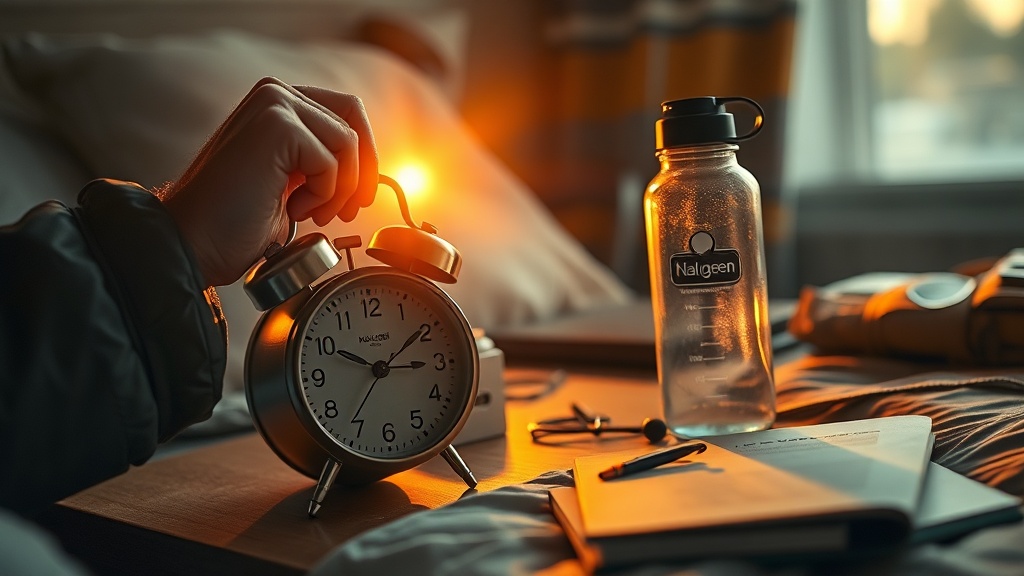
- Evening dim‑down: After 7 p.m., swap bright screens for amber‑tinted glasses or a dim lamp. I keep my Nalgene bottle on the nightstand as a reminder: “If you’re still bright‑lit, you’re sabotaging tomorrow.”
What should I do with my meals and caffeine?
Our gut clocks sync to food timing just like the brain syncs to light. A misaligned dinner can push your sleep window later, making the DST jump feel even bigger.
- Shift dinner earlier: Aim for a 6‑7 p.m. dinner on the night before the change. I’ve found a light protein‑rich meal (think beans or fish) keeps my energy steady without the sugar crash.
- Watch caffeine: Cut off caffeine by 2 p.m. on the transition day. The extra hour of alertness can keep you wired when you actually need to wind down.
- Hydration matters: Dehydration mimics fatigue. Keep that battered Tank (my trusty 32 oz Nalgene) filled with water throughout the day.
Can I tweak my bedtime routine to smooth the shift?
Rituals signal to your brain that it’s time to shut down. Here’s my no‑fluff, gritty routine that works even when the clock jumps:
- Wind‑down window: Start a low‑light, screen‑free period 60 minutes before your target bedtime. I read a printed travel journal instead of scrolling.
- Temperature cue: Cool your room to ~65 °F (18 °C). Cold signals melatonin release.
- Breathing reset: I do a 4‑7‑8 breath pattern for two minutes; it drops heart rate fast enough to beat the post‑DST adrenaline spike.
Should I adjust my workout schedule?
Exercise is a double‑edged sword. A morning cardio session can boost morning light exposure, but a late‑night gym can push your sleep later. My rule of thumb: keep workouts before 5 p.m. on the transition day. If you must train later, keep it low‑intensity (yoga, stretching) to avoid cortisol spikes.
What about travel plans?
If you’re hopping time zones around the DST shift, layer the above tactics with a “travel‑time‑zone” cheat sheet. I log the local sunrise time in my travel notebook and treat it as my new “day start.” That way, you don’t double‑dip on clock changes.
Quick checklist to survive the DST jump
- ☀️ Get 20‑30 min of morning sun (or light box).
- 🍽️ Move dinner to 6‑7 p.m., keep it protein‑rich.
- 🚫 Cut caffeine after 2 p.m.
- 💧 Stay hydrated (Nalgene on hand).
- 📵 Start a screen‑free wind‑down 60 min before bed.
- 🧘♀️ Do a 4‑7‑8 breath reset.
- 🏃♂️ Finish workouts by 5 p.m.
Related reading on my blog
- Bio‑Harmony: Sync Your Meals to Your Circadian Clock — deeper dive on meal timing and sleep.
- Spring Clean Your Digital Life — how a tidy digital routine supports better sleep hygiene.
- Grounding Techniques I Tested — simple practices to reduce stress before bed.
Takeaway
Daylight Saving Time doesn’t have to feel like a betrayal. By front‑loading morning light, pulling dinner earlier, dimming the evening, and keeping a tight wind‑down ritual, you give your circadian system the data it craves. Your body will thank you with clearer mornings, steadier energy, and fewer “why am I so groggy?” moments. Treat the clock change like any other travel logistics—plan, pack, and execute.