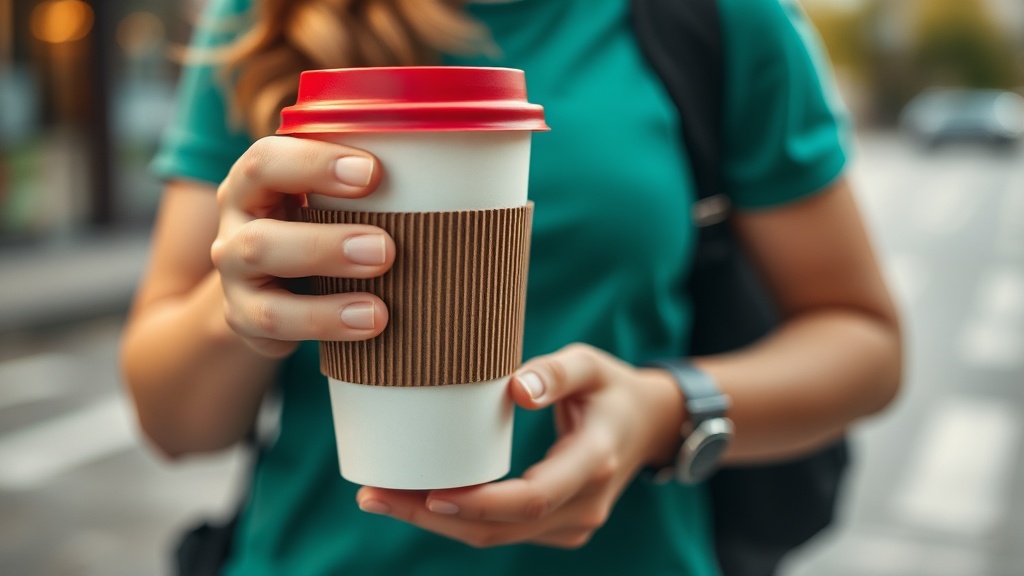
Carry a Reusable Coffee Cup for Your Morning Brew

Quick Tip
Always keep a collapsible silicone or stainless steel cup in your daypack to avoid single-use paper and plastic cups.
You’re standing in a bustling train station in Berlin or a crowded street market in Chiang Mai, holding a steaming coffee in a paper cup. That cup—even if it's labeled "compostable"—is likely headed straight to a landfill because most municipal recycling systems can't handle the plastic lining used to keep the liquid from leaking. Carrying a reusable cup isn't just a small habit; it's a way to cut out a massive piece of travel waste that actually matters.
Why Should I Use a Reusable Coffee Cup While Traveling?
Using a reusable cup reduces your personal waste footprint and often saves you money through local cafe discounts. Many independent coffee shops and even larger chains offer a small discount if you bring your own vessel. It's a simple way to avoid the "disposable culture" that plagues even the most eco-conscious destinations.
I’ve audited my own gear list dozens of times, and a high-quality cup is one of those items that pays for itself quickly. It’s also a way to ensure your beverage stays at the temperature you want—hot coffee stays hot longer in stainless steel than in paper.
Common Cup Types for Travelers:
- Stainless Steel (e.g., Yeti or Hydro Flask): Best for temperature retention and durability during rugged treks.
- Silicone Collapsible (e.g., Stojo): Perfect for light packers who want to save space in a backpack.
- Glass/Ceramic: Great for slow mornings at a local cafe, but risky for moving transit.
How Much Does a Good Travel Coffee Cup Cost?
A reliable, durable travel mug typically costs between $15 and $40 depending on the brand and materials. While the upfront cost is higher than a paper cup, the long-term value is much higher when you factor in the frequent 25-cent to 50-cent discounts offered at many cafes.
Don't fall for the cheap, flimsy plastic versions you see in souvenir shops. They tend to leak and won't survive a drop on a hiking trail. If you want something that lasts, look at specialized reusable cup designs that are built for heavy-duty use.
| Cup Type | Durability | Portability | Best Use Case |
|---|---|---|---|
| Stainless Steel | High | Medium | Long flights or hiking |
| Silicone | Medium | High | Urban city hopping |
| Ceramic | Low | Low | Stationary stays |
Is It Hard to Clean a Reusable Cup on the Go?
Cleaning is easy if you carry a small, travel-sized brush or use the "rinse and go" method at cafe sinks. Most travelers find that a quick rinse with hot water at a local cafe is enough to keep things sanitary between uses.
If you're worried about hygiene while traveling through remote areas, stick to stainless steel. It's easier to sanitize with a bit of soap and hot water than porous materials. If you're already focusing on your packing efficiency, you might want to check out my audit of essential travel gear to see what else you might be overlooking.
One thing to watch out for: some "eco-friendly" paper cups are actually lined with polyethylene (plastic), which makes them nearly impossible to recycle in many countries. This is why a single, solid item like a Patagonia-style durable vessel is a smarter investment for the planet and your wallet.