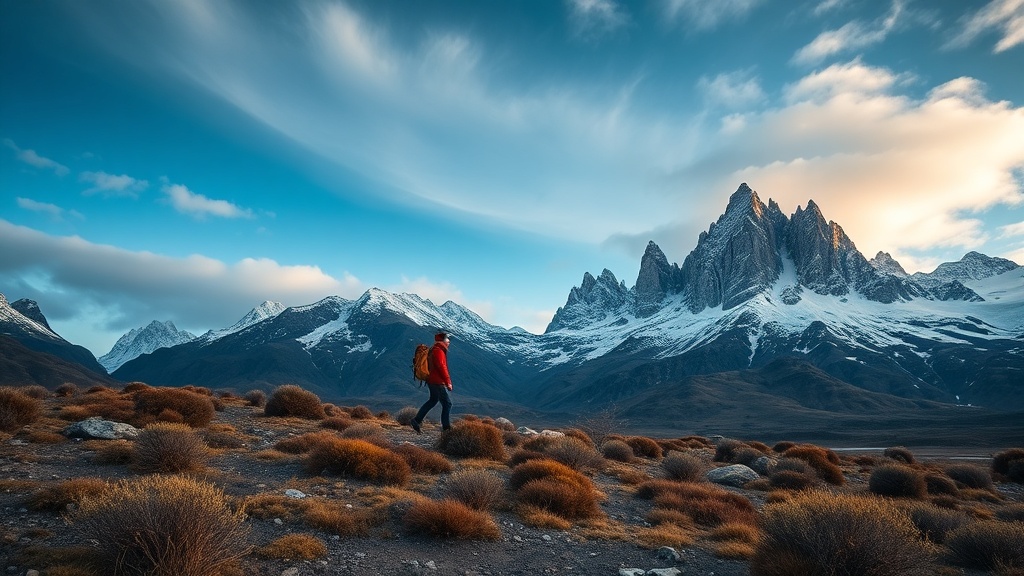
Can You Actually Travel the Patagonia Wilderness Without Leaving a Trace?

What Real Low-Impact Camping in Patagonia Looks Like
This guide breaks down the logistics of camping in Patagonia, focusing on gear durability, waste management, and how to avoid the common pitfalls of high-altitude trekking. We're looking at the actual physical impact of your presence in the wild, not the polished version you see on social media.
Patagonia isn't just a backdrop for photos; it's a fragile, high-wind, high-altitude ecosystem that doesn't care about your aesthetic. If you show up with flimsy gear or a lack of preparation, you're not just risking a miserable trip—you're risking damage to the ground beneath your feet. In my years of managing complex supply chains, I learned that every movement has a cost. In the backcountry, that cost is often measured in soil compaction and micro-trash. We're going to look at the hardware and the habits you need to keep your footprint small.
The biggest lie in outdoor gear marketing is that 'eco-friendly' means it won't break. In reality, the most sustainable thing you can do is buy one set of high-quality, heavy-duty gear that survives five seasons instead of three cheap tents that end up in a landfill after one windy night in Torres del Paine. If you're planning a trek, you need to think about the lifecycle of your equipment before you even book a flight.
How Do I Manage Human Waste on a Remote Trek?
This is the part no one wants to talk about at the trailhead, but it's the most critical part of your footprint. In many parts of Patagonia, especially around the more crowded routes in Chile and Argentina, the soil is thin and decomposition is slow. If you aren't careful, you're leaving a permanent mark.
- The Cat Hole Method: If you're in a designated area where it's permitted, dig a hole at least 6 to 8 inches deep. Make sure it's far from water sources—at least 200 feet is the standard, but in high-wind areas, go further.
- WAG Bags: In certain highly sensitive zones, you might be required to carry out your own waste. This isn't a suggestion; it's a necessity for protecting local water quality.
- The TP Problem: Stop relying on single-use wet wipes. They don't break down and they're a nightmare for local waste management systems. If you must use wipes, they need to go in a sealed bag in your trash.
For more detailed environmental standards regarding backcountry hygiene, check the guidelines provided by the The Nature Conservancy. They offer deep dives into how human interference affects remote biomes.
What Gear Survives Patagonia's Wind and Weather?
You can't 'outsmart' the weather here. The wind in the Southern Patagonian Ice Field is a physical force that can bend tent poles and strip away warmth. If you're using lightweight, 'ultralight' gear that hasn't been tested for high-stress environments, you're going to have a bad time. I've seen people try to cut corners with budget gear and end up stranded because their tent couldn't handle a 60mph gust.
| Item | The Budget Choice (Avoid) | The Sustainable Choice (Buy Once) |
|---|---|---|
| Tent | Single-wall, lightweight nylon | Four-season, high-density ripstop fabric |
| Cooking | Small canister stoves | Multi-fuel stoves (more versatile/less waste) |
| Footwear | Lightweight hiking shoes | Sturdy, waterproof, repairable boots |
A repairable boot is worth its weight in gold. Instead of buying a new pair of shoes every year because the sole fell off, look for brands that offer resoling services. This keeps more rubber out of the trash stream. If you're looking for technical data on gear durability, the REI Co-op Expert Advice sections often have honest breakdowns of how gear holds up in extreme conditions.
How Do I Avoid Plastic Waste While Trekking?
The logistics of a long-distance trek are all about volume. Most people bring too much, too much packaging, and too much 'just in case' gear. To keep your waste low, you need to audit your pack before you leave. If it's in a plastic bag, it shouldn't be in your pack.
Decant your food into reusable, silicone, or lightweight metal containers. Most of the 'trail mixes' and energy bars you buy are wrapped in layers of non-recyclable plastic. By the time you've finished your trek, your trash bag is often more heavy than your actual food. Instead, buy bulk ingredients, prep them at home, and pack them in durable, reusable containers. It's a bit more work upfront, but it reduces the sheer volume of trash you're responsible for carrying out of the wilderness.
The Reality of Water Filtration
Don't bother with bottled water. It's a waste of weight, money, and resources. Patagonia has some of the cleanest water on the planet, but you still need to be smart. Use a high-quality filter or a UV purifier. A durable, long-term solution like a Sawyer Squeeze or a Katadyn filter is far better than a dozen single-use plastic bottles. It's about the long-term math: one filter replaces thousands of bottles over its lifespan.
When you're out there, the goal isn't to be a 'hero' of the environment; it's to be a ghost. You want to move through the landscape, experience the raw power of the mountains, and leave nothing behind but the footprints you've already made. That's the only way to ensure these places actually stay wild for the next person trying to find themselves in the wind.