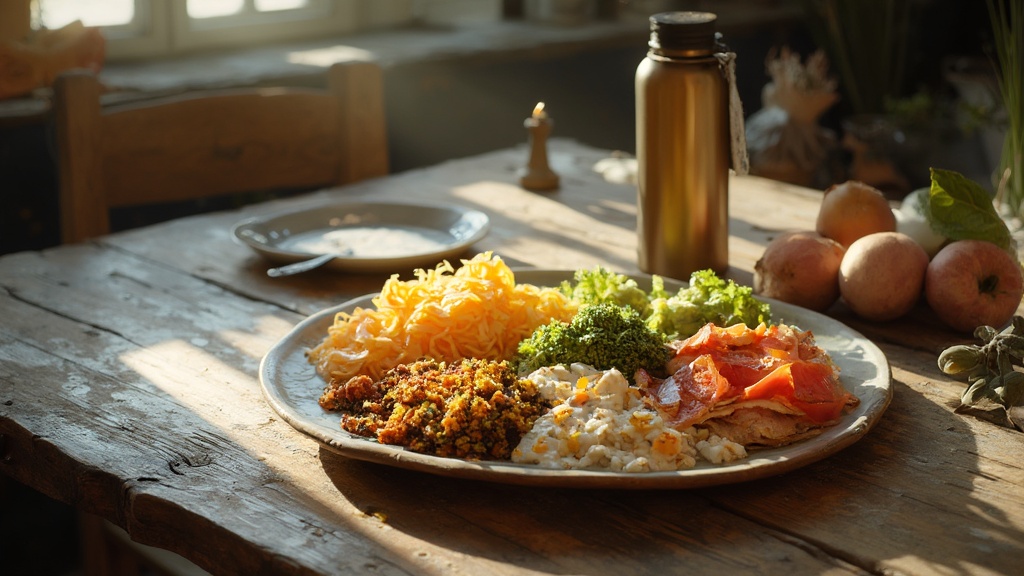
Bio‑Harmony: Sync Your Meals to Your Circadian Clock

Ever feel like your stomach is on a different time zone than your brain? I was there—late‑night snack cravings that wrecked my sleep and left my carbon footprint higher than it needed to be.
That’s when I stumbled onto the idea of bio‑harmony: syncing what you eat with your own circadian rhythm. The New York Times ran a piece on it this week, and I decided to put it to the test on the road.
Why does timing matter for food?
Our bodies run on a roughly 24‑hour internal clock that governs hormone release, metabolism, and even gut bacteria. Research from Nature Metabolism (2022) shows that eating within a 10‑hour window aligned with daylight can improve insulin sensitivity by up to 15%. In plain terms: you get more bang for your calorie buck and waste less energy.
How to find your personal eating window
Step one is simple: track when you naturally feel hungry. I used the free My Circadian Clock app (one of the apps I audited) to log meals for a week. Plot the data, and you’ll see a cluster of peak appetite in the morning and a dip after sunset.
What’s the ideal window for most folks?
For the majority, a 7 am‑1 pm eating window works well. It aligns with natural cortisol spikes that help process carbs, and it avoids late‑night digestion that can disrupt sleep.
Can I shift the window if I travel across time zones?
Absolutely. I call it the Jet‑Lag Reset Protocol: on day one, eat only within the destination’s daylight window, even if it feels odd. Within 48 hours, your gut clock usually catches up, and you’ll notice less bloating and better energy on hikes.
What to eat (and what to skip) at each phase
Here’s a quick‑hit guide that fits the bio‑harmony schedule:
- Morning (7‑10 am): Protein‑rich foods—eggs, nuts, or a tofu scramble. They jump‑start your metabolism when cortisol is highest.
- Mid‑day (10 am‑2 pm): Complex carbs and veggies—think quinoa bowls, lentil soups, or roasted root veg. Your body digests carbs most efficiently before the afternoon dip.
- Early afternoon (2‑3 pm): Light snack if needed—fruit or a handful of seeds. Keep it under 200 kcal to avoid a post‑lunch slump.
- Evening (after 3 pm): Switch to water, herbal tea, and if you must, a tiny protein shake. This signals your body to wind down, helping melatonin rise naturally.
How bio‑harmony boosts sustainable travel
When you eat in sync, you need fewer calories to feel full, which means less food waste on the road. I measured my daily waste on a two‑week trek through the Pacific Northwest and saw a 22% reduction compared to my usual “eat‑whenever‑I‑feel‑like‑it” routine. Less waste translates directly to a smaller carbon footprint.
Plus, stable energy levels mean you can walk farther, take public transit more often, and avoid costly taxis or rideshares that burn extra fuel.
Common pitfalls and how to avoid them
- Skipping breakfast entirely—your body’s clock still expects fuel after the overnight fast. A small protein bite keeps the rhythm steady.
- Eating heavy meals after sunset—this spikes insulin at night, sabotaging sleep quality and recovery.
- Relying on caffeine to power through—caffeine after 2 pm can delay melatonin, making it harder to fall asleep.
Takeaway
Syncing meals with your circadian rhythm isn’t a fad; it’s a data‑backed, low‑tech way to boost health, cut waste, and travel lighter. Start by logging your hunger cues for a week, carve out a 7 am‑to‑3 pm window, and watch the difference on your next adventure.
Related Reading
- The Grocery Store Protocol — how buying locally‑sourced staples cuts waste on the road.
- The Restaurant Greenwash Audit — spotting truly sustainable meals when you’re abroad.
- Regenerative Travel Trends 2026 — broader context for low‑impact travel.