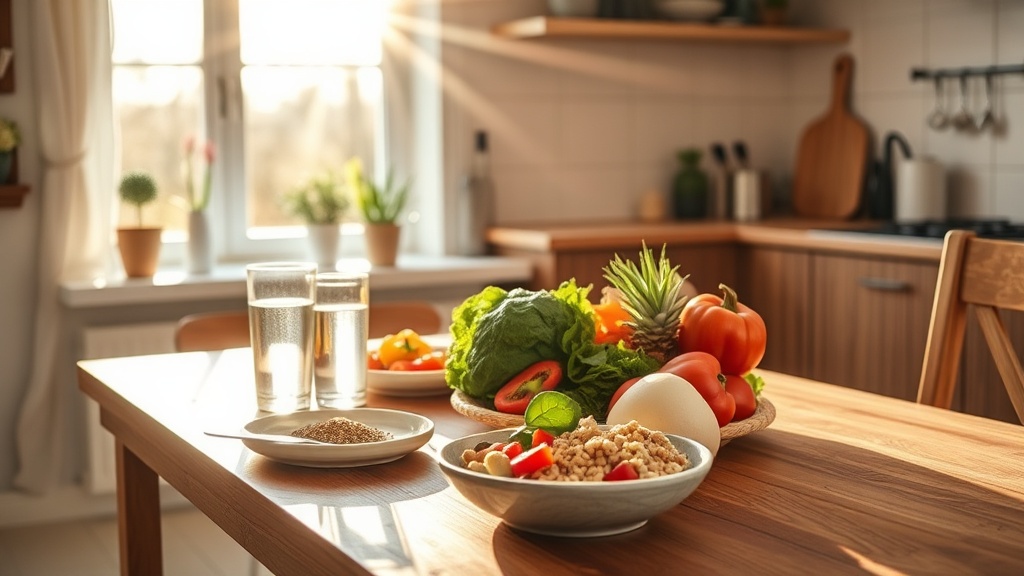
Bio-Harmony Meal Planning: Align Your Diet with the Spring Circadian Rhythm

Ever notice how a spring sunrise makes you feel suddenly hungry for something fresh? That tug isn’t just a mood swing—it’s your internal clock screaming for a meal that matches the daylight.
I'm Callie, and after years of auditing supply chains for NGOs, I treat my own body like a logistics operation: every mile, every load, every timing matters. This spring, I’m swapping my usual “eat when you’re hungry” mantra for a data‑driven, bio‑harmony schedule that actually boosts my energy, sleep, and wellness while keeping my carbon footprint low.
What is bio‑harmony and why does it matter now?
Bio‑harmony is the practice of aligning your eating patterns with your circadian rhythm. In 2026, leading nutrition scientists say it’s the most actionable lifestyle trend for improving metabolic health without expensive supplements. As days lengthen, our bodies naturally shift hormone release—cortisol peaks earlier, melatonin recedes later—so the same meals you ate in winter may now feel out of sync.
How does the circadian clock influence digestion?
Research from the Journal of Chronobiology (2025) shows that gastric emptying slows by up to 20% after 7 p.m., meaning late‑night carbs sit in your gut longer, raising blood sugar spikes. Conversely, a breakfast rich in protein and complex carbs kick‑starts insulin sensitivity when cortisol is highest, setting a metabolic tone for the entire day.
When should I eat each main meal during spring?
Breakfast (6 – 9 am): Aim for a protein‑fiber combo—think oat‑based porridge with almond butter, a boiled egg, and a handful of berries. The early light tells your suprachiasmatic nucleus (SCN) that it’s “go time,” and a balanced start prevents mid‑morning crashes.
Mid‑day Lunch (11 am – 1 pm): Keep it light but nutrient‑dense. A quinoa salad with roasted root veggies, a drizzle of olive oil, and a plant‑based protein (lentils or tempeh) provides steady glucose while the sun is still high, supporting optimal digestion.
Afternoon Snack (3 – 4 pm): If you need a boost, reach for a small handful of nuts and a piece of fruit. The goal is to avoid a dip in blood sugar that can trick your brain into craving caffeine.
Dinner (6 – 8 pm): Favor low‑glycemic, easily digestible foods—steamed fish or tofu, roasted asparagus, and a side of sweet potato. Pair with a calming herb tea (chamomile or lemon‑verbena) to signal your body that wind‑down mode is approaching.
Which foods naturally sync with daylight?
- Seasonal greens (spinach, arugula, kale): High in magnesium, they support melatonin synthesis as evenings lengthen.
- Complex carbs (farro, buckwheat, sweet potatoes): Provide slow‑release energy that matches the longer daylight hours.
- Lean proteins (wild‑caught salmon, chickpeas, eggs): Help regulate cortisol spikes in the morning.
- Hydrating fruits (citrus, watermelon, kiwi): Spring humidity can mask dehydration; these fruits replenish electrolytes without added sodium.
How does hydration fit into the circadian equation?
Our bodies lose water faster in the morning due to higher core temperature. Aim for 500 ml of water within the first hour after waking, then sip consistently throughout the day. Adding a pinch of sea salt or a splash of lemon can improve electrolyte balance without the sugar hit of sports drinks.
Can I see a practical weekly schedule?
Below is a template I use on my own backpacking trips. Feel free to tweak based on your local sunrise times (check timeanddate.com for exact sunrise).
| Day | Breakfast | Lunch | Snack | Dinner |
|---|---|---|---|---|
| Mon | Oat porridge + almond butter + berries | Quinoa‑lentil salad | Nuts + apple | Grilled salmon + asparagus + sweet potato |
| Tue | Greek yogurt + granola + kiwi | Whole‑grain wrap with hummus & veg | Carrot sticks + hummus | Stir‑fried tofu + bok choy + brown rice |
| Wed | Scrambled eggs + spinach + toast | Chickpea & avocado bowl | Handful of berries | Pan‑seared trout + quinoa + roasted carrots |
| Thu | Chia pudding + mango | Farro salad with roasted beet | Almonds + orange | Veggie curry with lentils + basmati |
| Fri | Protein shake (pea protein) + banana | Mixed greens + grilled chicken | Greek yogurt + honey | Veggie pizza on cauliflower crust |
| Sat | Whole‑grain pancakes + berries | Leftover veggie curry | Trail mix | Grilled portobello + quinoa + sautéed kale |
| Sun | Smoothie bowl (spinach, pineapple, protein powder) | Spring veggie soup + rye bread | Watermelon slices | Light salad with citrus vinaigrette |
Notice the progression: heavier carbs earlier, lighter proteins later, and a consistent hydration cue.
What are the common pitfalls and how do I avoid them?
- Eating late‑night carbs: Switch to a herbal tea and a protein snack before bed.
- Skipping breakfast: Even a 200‑calorie “starter” (a hard‑boiled egg + fruit) resets your SCN.
- Ignoring water: Set a phone reminder for “drink 250 ml” every two hours.
- One‑size‑fits‑all meals: Adjust portions based on your activity level; a weekend hike calls for a bigger carb load at lunch.
What’s the next step?
Start tomorrow: note your sunrise time, set a water‑first‑hour habit, and swap your usual dinner for a light, low‑glycemic plate. Track how you feel—energy spikes, sleep latency, even mood. If you want a deeper dive, check out my earlier post on bio‑harmony basics and the Daylight Saving Time reset guide. Aligning meals with the spring light isn’t a fad; it’s a logistics hack for your body’s own supply chain.
Give it a week, then come back and tell me what shifted. I’ll be tweaking the template for the next season, and I want your data in the mix.
Related Reading
- Top 10 Lifestyle Trends Defining 2026 — why bio‑harmony made the cut.
- Spring Refresh: Reset Your Space, Tech, and Sleep — a broader spring reset you can pair with meal timing.