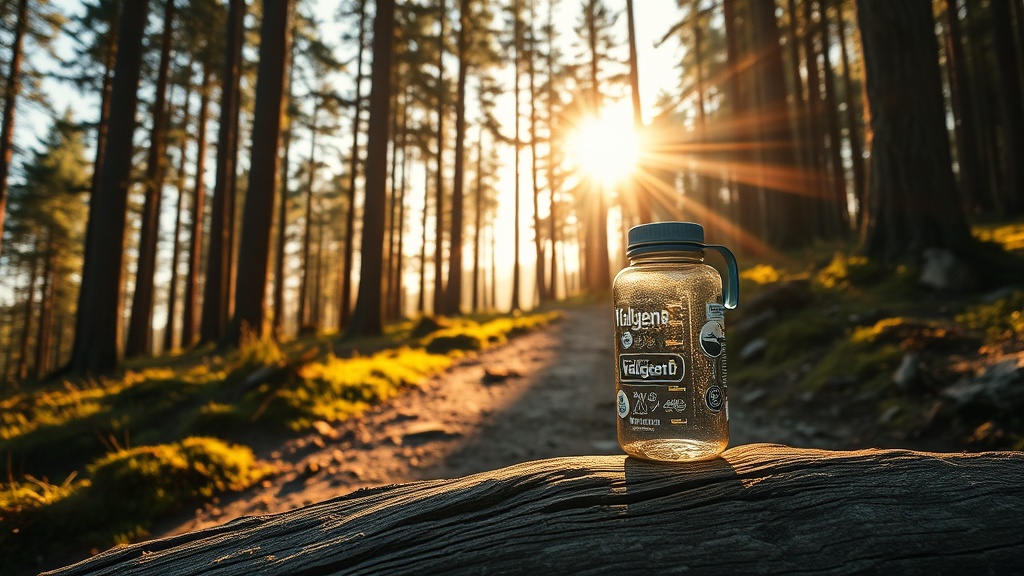
Bio-Harmony Hiking: Syncing Trail Walks with Your Circadian Rhythm for Spring Energy

The wellness industry frequently applies new labels to basic human biology. This spring, that term is "Bio-Harmony," a framework that claims to optimize health by aligning outdoor wellness routines with the body's natural clock.
(For the uninitiated, Bio-Harmony essentially means doing things when the body is biologically primed to do them.)
While the marketing around it is heavy, the underlying science of syncing outdoor activity with the circadian rhythm is well-documented. A look at the data on light exposure metrics, cortisol curves, and spring allergy cycles shows clear benefits. If you're strategic about when you hit the trail, you get better sleep, a steadier mood, and a fighting chance against peak pollen levels.
Here is a practical logistics guide to timing your spring hikes.
The Morning Audit (08:00 - 10:00)
The Objective: System reset.
If your sleep schedule is irregular, a morning hike is a highly effective intervention. Getting natural sunlight before 10:00 AM halts melatonin production and spikes morning cortisol (the signaling hormone that wakes you up).
The Logistics: You don't need a grueling 10-mile ascent. You need 30 to 45 minutes of sustained, unshaded light exposure. Skip the sunglasses for the first 20 minutes if it's safe to do so.
The Catch (Allergies): Tree pollen counts typically peak between 5:00 AM and 10:00 AM. If you are highly sensitive to spring blooms, the morning hike might leave you a sneezing wreck.
The Afternoon Audit (15:00 - 17:00)
The Objective: Allergy relief and core temperature maintenance.
The Logistics: If pollen is your enemy, push your hike to the late afternoon. The air is generally warmer, the morning pollen cloud has settled, and your muscles are already warm, reducing the risk of injury. Plus, late afternoon light still provides a solid circadian signal to your brain that the day is winding down, preparing your body for a smoother drop into sleep later.
Fueling the Machine
You can't apply Bio-Harmony principles without considering nutrition. Spring hiking means dealing with inflammation—whether from pollen or just dusting off muscles that have been inactive since November.
Load your pack with anti-inflammatory snacks like walnuts, pumpkin seeds, and tart cherries. And obviously, hydrate. Maintaining a steady water supply is critical. Dehydration mimics fatigue, and if you're trying to reset your energy levels, running dry on the trail is a fundamental mistake.
The Takeaway
Ultimately, Bio-Harmony hiking isn't about buying specialized gear or downloading another tracking app. It’s just about paying attention to the data your body is already giving you. If the morning pollen is a problem, hike later. If your sleep is poor, hike earlier.
The math is simple. Get outside, get some light, and apply practical timing strategies at the trailhead.