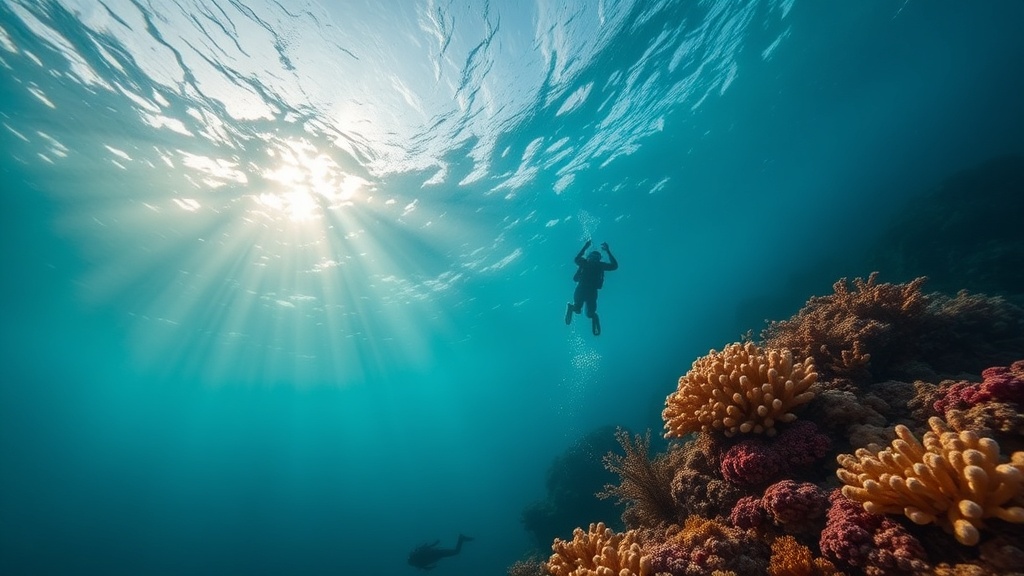
Azure Depths and Coral Gardens: A Diver's Guide to Raja Ampat's Biodiversity

The Pygmy Seahorse Encounter
Manta Ray Cleaning Stations
The Labyrinth of Blue Water Passages
This guide provides a technical breakdown of the biodiversity hotspots in Raja Ampat, specific dive site recommendations based on current sea conditions, and a pragmatic audit of how to minimize your ecological footprint in the West Papua archipelago.
Raja Ampat is not a single destination; it is a complex marine ecosystem located at the heart of the Coral Triangle. While many travel brochures market the region as a pristine paradise, the reality requires a more disciplined approach to logistics and conservation. To experience the high-density biodiversity of the Dampier Strait or the remote Wayag Islands, you must understand the intersection of seasonal currents, local topography, and the fragile biological cycles that govern these waters.
1. The Dampier Strait: High-Energy Nutrient Upwelling
The Dampier Strait is the most biologically active corridor in the region. The narrow passage between the mainland of Bird’s Head Peninsula and the islands of Waigeo and Misool creates high-velocity currents that act as a conveyor belt for nutrients. This constant movement supports massive schools of pelagic fish and provides the energy required for high-density coral growth.
Key Site: Cape Kri
Cape Kri is a critical data point for divers looking to witness high-density biomass. The site is characterized by steep drop-offs and significant current. You will encounter large schools of Bigeye Trevally, Barracuda, and various species of Jacks. The nutrient-rich water supports a massive population of reef sharks, specifically Blacktip and Whitetip Reef Sharks. When diving here, buoyancy control is not a suggestion; it is a requirement to avoid contact with the delicate soft corals that thrive in these high-flow environments.
Key Site: Blue Magic
Located in the middle of the strait, Blue Magic is an underwater pinnacle that attracts larger pelagics. This is a primary location for spotting Oceanic Manta Rays (*Mobula birostris*). Unlike the much more common Reef Manta, the Oceanic species are larger and more migratory. The currents here can be unpredictable, often creating "washing machine" effects. Use a reef hook only if you are experienced and have identified a dead rock structure; never hook into live coral colonies.
2. Misool: The Sanctuary of Soft Corals and Macro Life
Moving south toward the Misool area, the topography shifts from high-energy channels to more sheltered, labyrinthine karst formations. This region is a masterclass in niche specialization. The water is often slightly warmer and more stable, allowing for the proliferation of massive soft coral gardens that are arguably the most diverse in the world.
The Importance of Marine Protected Areas (MPAs)
Misool is a prime example of successful community-led conservation. The Misool Marine Reserve has significantly increased fish biomass through strict enforcement of no-take zones. When booking a liveaboard or a resort in this area, verify that your provider contributes directly to these local patrol funds. Supporting these specific MPAs is the only way to ensure the long-term viability of the macro life, such as the Wobbegong shark and the Pygmy Seahorse (*Hippocampus bargibanti*), which rely on highly specific habitats.
Key Site: Magic Mountain
This is a large submerged plateau that serves as a cleaning station for Manta Rays. It is a high-biodiversity zone where the transition from deep-water currents to shallower reef flats creates a massive variety of life. Expect to see high concentrations of nudibranchs, various species of sea slugs, and even the rare Walking Shark (*Hemiscyllium freycineti*). The density of life here is so high that visibility can sometimes be reduced by organic matter (marine snow), which is a natural byproduct of such a productive ecosystem.
3. Technical Gear and Preparation for Raja Ampat
Diving in Raja Ampat is not a standard tropical dive; it is an advanced logistical undertaking. The variable currents and depth profiles require specific gear configurations to ensure both safety and environmental protection.
- Buoyancy Control: A high-quality BCD is non-negotiable. You will often be navigating through narrow passages or hovering in heavy currents. Precision in buoyancy prevents accidental contact with the coral, which is vital in the high-density soft coral zones of Misool.
- Surface Marker Buoys (SMB): Given the strong currents in the Dampier Strait, an SMB is a critical safety tool. If you get separated from your group or need to signal a boat during a drift, a reliable SMB is your primary lifeline.
- Dive Computers: The depth profiles in Raja, especially near pinnacles like Blue Magic, can change rapidly. A reliable dive computer with clear ascent rate warnings is essential for managing nitrogen loading in these high-energy environments.
- Reef-Safe Sunscreen: This is a fundamental requirement. Standard sunscreens contain oxybenzone and octinoxate, which are toxic to coral. Use only mineral-based, non-nano zinc oxide sunscreens to avoid contributing to coral bleaching in the more sensitive, shallower lagoons.
4. The Logistics of Seasonality and Current Management
Timing your trip to Raja Ampat is a matter of managing the monsoon cycles. The region is subject to two distinct seasons that dictate both accessibility and the quality of the dive experience.
The Optimal Window: October to April
The period from October to April offers the most stable weather and the most predictable currents. During these months, the sea state is generally calmer, making it easier to navigate the smaller, more remote lagoons. This is also the peak time for seeing larger pelagic species, as the nutrient upwelling is most consistent.
The Challenge Period: June to September
The Southeast Monsoon brings stronger winds and rougher seas. While the biodiversity remains, the logistical difficulty increases significantly. Many of the northern islands become difficult to access, and the swell can make boat transfers and surface intervals challenging. If you are planning a trip during this window, ensure your operator has high-quality stability ratings for their vessels and a robust contingency plan for weather-related delays.
5. An Audit of Sustainable Diving Practices
Greenwashing is rampant in the dive industry, with many operators claiming "eco-friendly" status without any verifiable metrics. To ensure your presence in Raja Ampat is truly low-impact, look for these specific indicators of genuine sustainability:
- Waste Management Protocols: Ask your operator how they handle non-biodegradable waste. In remote areas like Raja Ampat, there is no municipal recycling. A legitimate operator will have a strict "pack-in, pack-out" policy for all plastics and glass.
- Local Employment and Training: A sustainable operation should not just use local people for manual labor. They should actively invest in training local community members as dive masters and boat captains. This builds local agency and long-term stewardship of the reefs.
- Fuel and Energy Consumption: Inquire about the use of diesel generators versus solar power. While total elimination of fossil fuels is difficult in remote Indonesia, a commitment to reducing energy footprints is a sign of a truly conscientious operator.
- Direct Conservation Contributions: Ensure your fees are going toward the maintenance of local Marine Protected Areas. This is a direct investment in the "supply chain" of the biodiversity you are there to see.
Navigating the complexities of Raja Ampat requires more than just a mask and fins; it requires a rigorous understanding of the environment, the seasons, and the socio-economic structures that protect it. By treating your dive expedition with the same precision as a professional logistics operation, you ensure that these "coral gardens" remain intact for the next generation of explorers.