Amtrak Roomette vs. Regional Flight: A Logistics Audit for Summer 2026

The current discourse around train travel is heavy on performative guilt-tripping. You've heard it a hundred times—skip the flight, take the train, save the planet. But if the logistics don't work, the plan doesn't work. Average people with limited PTO can't just casually lose two days in transit.
Running a parallel logistics breakdown on regional domestic flights (under 600 miles) versus booking an Amtrak roomette reveals the actual constraints. Beyond carbon emissions, you have to account for total transit time, hidden costs, and the mental toll of the journey.
Here is the data-backed reality of when the train wins, and when it's just greenwashing your itinerary.
The True Cost Audit: Price Tags and Hidden Fees
The most obvious hurdle: Amtrak sleeper cars are not cheap. If you are comparing a basic economy flight on a budget airline directly to a roomette, the baseline cost doesn't compete.
But a logistics audit looks at the total landed cost. When you fly, you aren't just paying for the ticket. You're paying for:
- Baggage fees (because we aren't doing the personal-item-only dance for a week-long trip).
- Airport transit (an Uber to a major hub is easily $40-$80 each way).
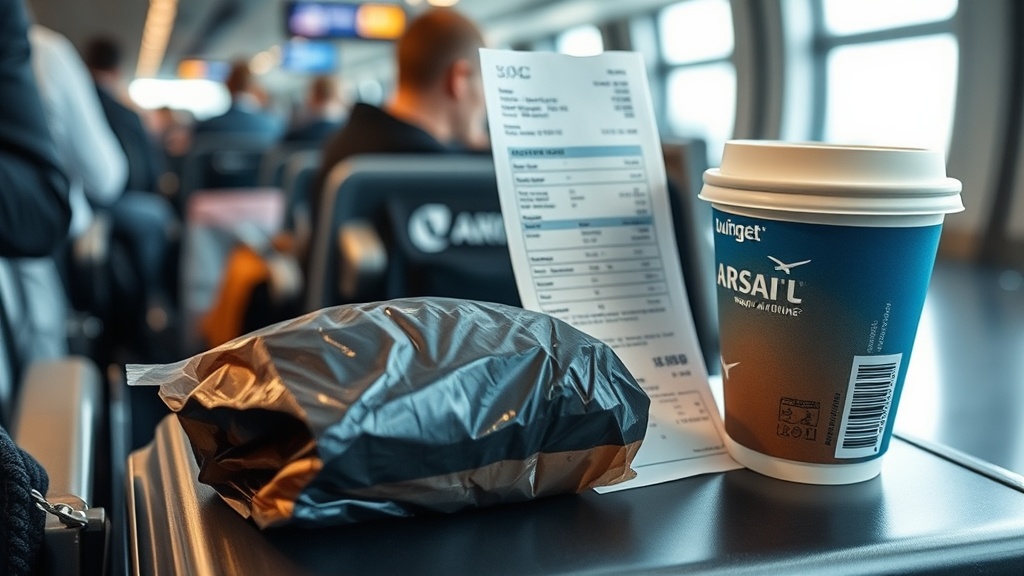
- The $18 airport sandwich (you know you buy it).
When you book a roomette, your meals are included. Two checked bags are included. And train stations are typically located in the city center, not 45 minutes outside of it. When comparing regional routes—like Portland to Seattle or Chicago to Minneapolis—dynamic pricing means your final out-of-pocket difference can sometimes narrow to under $40. It is highly variable, so you have to run the math for your specific dates, but the gap is frequently tighter than the initial sticker price suggests.
The Time Trade-off: Door-to-Door Reality
Flight time is a marketing metric. The "two-hour flight" is a lie.
Factor in arriving two hours early for TSA, the commute to the airport, the boarding process, taxiing, deplaning, and waiting at baggage claim, and that two-hour flight is a six-hour logistical operation.
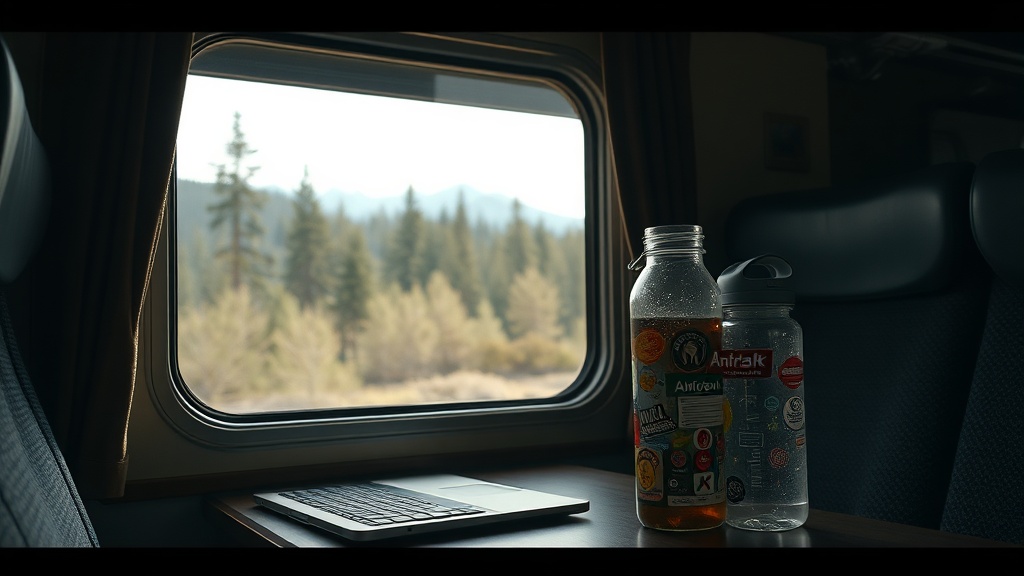
The train is slower on paper. But it is productive time. You can set up a laptop, fill a water bottle at the station, and get four uninterrupted hours of work done while watching the scenery. No tray-table anxiety, no fighting for an armrest.
The Carbon Math (No Fluff)
Many in the space hate the term "carbon footprint" (it was literally popularized by a major oil company to shift blame to consumers), but emissions data is the one area where the train is undeniably superior.
A regional flight emits roughly 0.25 kg of CO2 per passenger mile. Amtrak's numbers are highly variable depending on whether you're behind a diesel engine in the Midwest or an electric one on the Northeast Corridor, but they are consistently lower per passenger mile than a regional flight. If you are traveling with a partner and sharing that roomette, your per-capita emissions drop even further. The emissions reduction is real.
Vibe Check: When Should You Actually Book the Train?
No one needs to take a three-day train ride across the country if they only have five days of vacation. Progress over perfection.
Take the train if:
- Your destination is under 500 miles away.
- You need to work during transit.
- You are traveling with heavy or bulky gear (skis, camping equipment).
Take the flight if:
- Your route requires multiple train transfers with long layovers.
- You are traveling coast-to-coast with limited PTO.
Travel involves trade-offs. You don't need a guilt trip, you need a pragmatic strategy. Next time you're planning a regional route, run your own cost-time audit. You might find the sleeper car makes more sense than you thought.