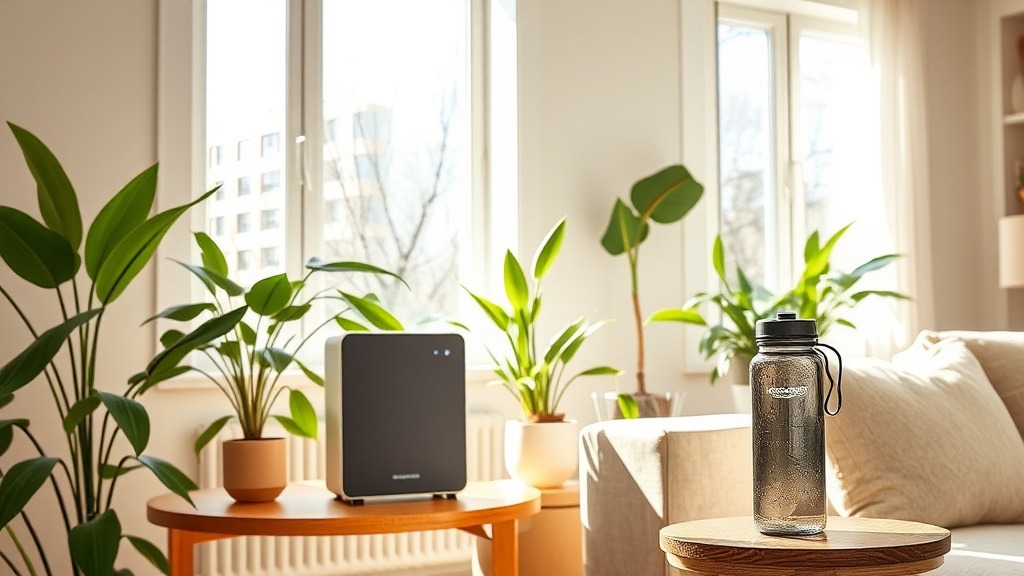
Allergy‑Proof Your Home This Spring: Low‑Cost, Actionable Tips

Allergy‑Proof Your Home This Spring: Low‑Cost, Actionable Tips
Hook
Ever walked into your living room and felt a sneeze coming on before you even opened the front door? Spring pollen can turn your sanctuary into an allergy minefield, but a handful of cheap tweaks can shut that down.
Context
Allergy season isn’t just a nuisance—it drags down sleep, productivity, and even travel plans. For the “dirty‑boot travelers” who love the outdoors, keeping the indoor air clean is the final piece of the puzzle. Below are the exact steps you can take today without breaking the bank.
What are the main indoor allergens that flare up in spring?
Pollen sneaks in through open windows, shoes, and even clothing. Mold spores thrive when humidity spikes after rain. Dust mites love the extra moisture, and pet dander can become more irritating when the air is dry. Understanding the culprits helps you target the right fixes.
Internal link: For a deeper dive into how indoor air quality affects sleep, see my Spring Refresh: 7 Practical Ways to Reset Your Space, Tech, and Sleep.
How can I stop pollen from invading my home?
- Seal entry points. Weather‑strip doors and windows; a quick $10 foam kit blocks the tiniest gaps.
- Use a “no‑shoe” policy. Keep a mat at the entry and store shoes in a closet. A quick shake‑out outside reduces pollen on soles.
- Wash bedding weekly. Hot water (130 °F) kills dust mites and removes trapped pollen.
- Choose low‑VOC curtains. Conventional curtains off‑gas chemicals that aggravate sinus linings. Look for “organic cotton” or “linen” tags.
Outbound source: The CDC’s guide to pollen allergies explains why indoor exposure matters. (CDC – Pollen Allergy)
Which low‑cost cleaning methods keep allergens at bay?
| Task | What to Use | Why It Works |
|---|---|---|
| Vacuuming | HEPA‑rated vacuum (even a $30 bag‑less model) | Captures 99.97 % of particles ≥ 0.3 µm, including pollen and dust‑mite debris. |
| Dusting | Microfiber cloth (wet‑damp) | Traps dust rather than scattering it. |
| Floor mopping | Vinegar‑water solution (½ cup white vinegar per gallon) | Cuts mold spores without harsh chemicals. |
| Bathroom cleaning | Baking soda & hydrogen peroxide | Breaks down soap scum where mold loves to hide. |
Internal link: My Hotel “Eco” Scam post uncovers why “green” cleaning claims can be misleading—stick to proven, low‑VOC options.
What role do HEPA filters play and how can I use them effectively?
- Buy a portable HEPA air purifier for the bedroom. Units under $50 (e.g., the Levoit Core 300) cover up to 219 sq ft.
- Place it where you spend the most time—next to the bed or home office.
- Change the filter every 6–12 months; a quick visual check of the filter’s dust load tells you when it’s time.
- Run it on “auto” mode during high‑pollen days (check the local pollen forecast on Pollen.com).
Outbound source: EPA’s article on HEPA filtration explains the science behind particle capture. (EPA – HEPA Filters)
How does humidity control help prevent mold and dust mites?
Ideal indoor humidity: 30–50 %.
- Use a hygrometer (a $5 digital one works fine) to monitor levels.
- Run a dehumidifier in damp rooms; even a small 30‑pint unit can pull 1 gallon of water per day.
- Vent bathrooms and kitchens during and after showers; a simple exhaust fan does the trick.
- Open windows on dry days to let fresh air circulate, then close them when humidity spikes.
Outbound source: Harvard Health’s guide on indoor humidity and allergy control. (Harvard Health – Humidity and Allergies)
Are there any natural air‑purifying plants that actually work?
The myth that houseplants dramatically clean air is overstated, but a few do help with humidity and mold suppression:
- Spider plant — absorbs formaldehyde and keeps humidity in check.
- Boston fern — loves moist environments and can trap some spores.
- Snake plant — releases oxygen at night, useful for bedroom air.
Keep the pots on saucers to avoid standing water, which would do the opposite.
What quick daily habits keep my indoor air clean?
- Shake out clothes and jackets before putting them in the closet.
- Air‑dry laundry outdoors when possible; indoor drying adds moisture.
- Turn off HVAC filters and replace them yearly; a clogged filter pushes pollen right back into the room.
- Take a 5‑minute “air‑check” each morning: open a window for a breath of fresh air, then close it and run the purifier for 10 minutes.
Takeaway
Allergy‑proofing your home isn’t about expensive gadgets—it’s about systematic, low‑cost habits that keep pollen, mold, and dust mites out of your breathing zone. Start with a quick seal‑the‑gaps sweep, add a budget HEPA purifier, and keep humidity in the sweet spot. Your nose (and your travel plans) will thank you.
Meta
- Excerpt: Learn low‑cost, evidence‑based steps to keep spring pollen, mold, and dust mites out of your home, improve indoor air quality, and breathe easier all season.
- Tags: spring allergies, home allergen reduction, indoor air quality, natural cleaning, HEPA filters
- Category: Planning Guides
- Slug: allergy-proof-home-spring
- FAQ Schema:
{ "meta": { "faqs": [ {"question": "How often should I change my HEPA filter?", "answer": "Replace it every 6–12 months, or sooner if it looks visibly clogged."}, {"question": "Can houseplants really clean the air?", "answer": "Only a few species, like spider plants and Boston ferns, help with humidity and minor pollutant absorption; they’re not a substitute for filtration."}, {"question": "What humidity level stops mold?", "answer": "Keep indoor humidity between 30–50 % to discourage mold growth and dust‑mite proliferation."} ] } }