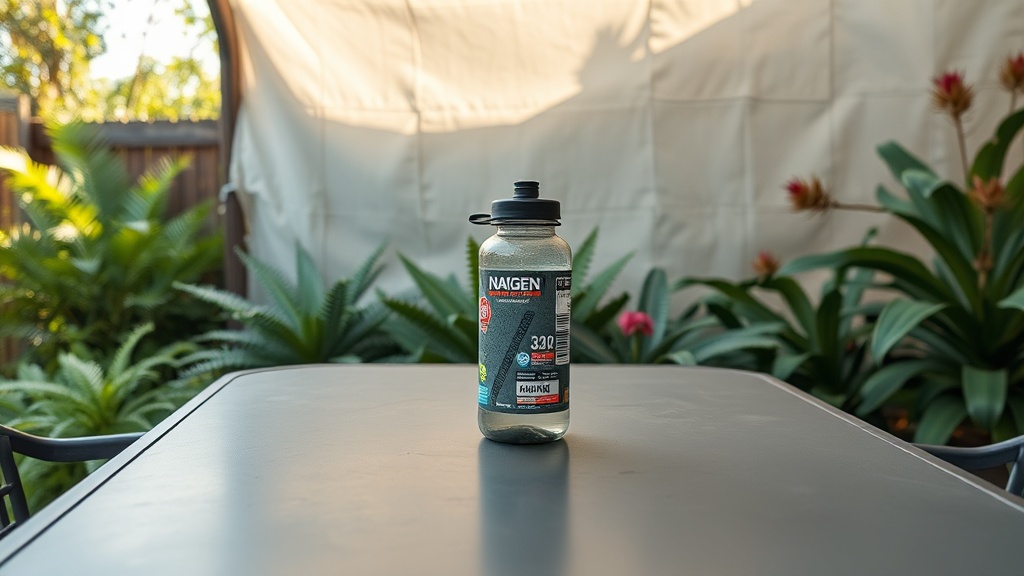
Allergy-Proof Patio: Design Tips for a Sneeze-Free Outdoor Space

Allergy season peaks in April, which can quickly turn a relaxing outdoor living space into a source of discomfort. While it might seem like the only solution is to stay indoors or invest in expensive air-purifying outdoor equipment, creating a comfortable patio is often much simpler.
You don't need to sacrifice style or your budget to minimize allergen exposure. By focusing on practical, low-effort modifications, you can significantly reduce pollen buildup. Here are several budget-friendly design strategies to allergy-proof your patio and help you enjoy the spring weather.
1. Install Strategic Wind Barriers
Wind is the primary way pollen is delivered to your outdoor spaces. If a patio is completely open, it easily catches airborne particulates from the surrounding area.
Instead of investing in full screening systems, you can set up strategic wind barriers to block the prevailing breezes. Hanging outdoor canvas curtains or positioning a row of dense, non-flowering shrubs can act as a physical block. This approach cuts down the airflow just enough to keep excessive pollen out, while still allowing the space to feel open and breathable.
2. Choose Low-Pollen Plants
Supporting local ecosystems with pollinator-friendly blooms is wonderful, but if your patio is heavily used during allergy season, it is best to keep heavy pollinators at a distance from your seating areas.
For the immediate outdoor living space, focus on low-pollen alternatives. Ferns, hostas, and succulents offer beautiful textures and greenery without adding to the local pollen count. They provide the lush look of a vibrant garden while keeping the immediate environment much more comfortable for allergy sufferers.
3. Prioritize Easy-Clean Surfaces
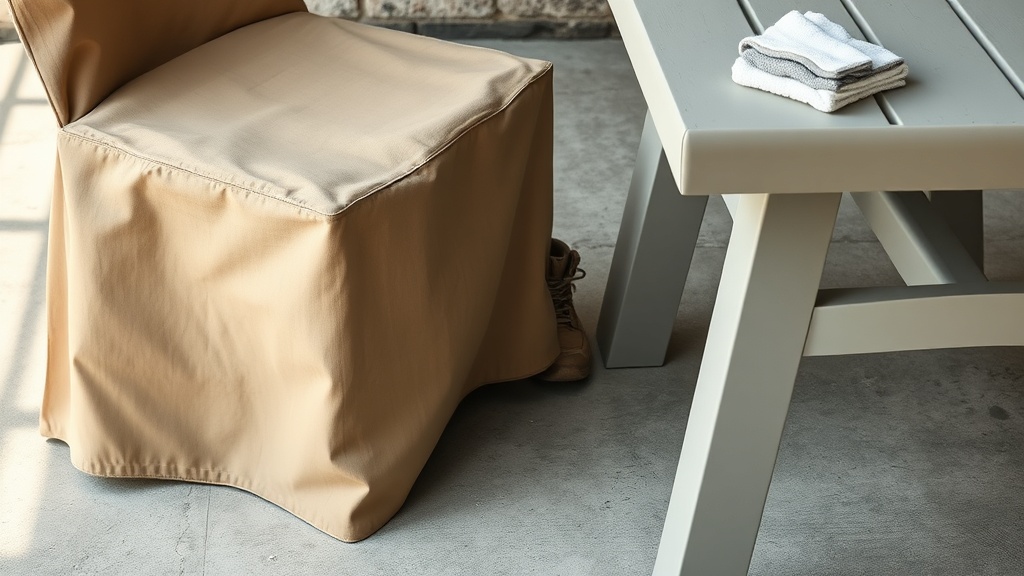
Outdoor rugs with deep weaves and plush cushions are popular for creating a cozy atmosphere, but they are also highly effective at trapping dust and pollen.
For real allergy reduction, opt for surfaces that are easy to clean. Smooth, weather-resistant canvas covers and solid metal or recycled plastic tables are excellent choices. These materials allow you to wipe everything down quickly with a damp cloth before use, preventing accumulated pollen from triggering symptoms.
4. Time Your Outdoor Activities
Managing environmental allergens also involves being mindful of when you use your outdoor spaces. Pollen counts are typically highest in the early morning, between 5 AM and 10 AM.
If possible, save your patio time for the late afternoon or evening. Spending time outside after a solid spring rain is also ideal, as the precipitation helps clear the air of suspended pollen.
By making a few thoughtful, budget-friendly design swaps, you can effectively manage environmental allergens and reclaim your outdoor living space this spring.