A BS-Free Audit of April 2026's Trending Lifestyle Topics

Look, let's be real: Earth Month brings out the absolute worst in the travel gear industry. If you look at the Trending Lifestyle Topics (April 2026), you’re getting bombarded with targeted ads for "sustainable lifestyle" essentials—minimalist glass water bottles, bamboo travel utensil sets, and organic cotton "airport fits."
It's an entire eco-aesthetic built on the premise that you can consume your way to a lower carbon footprint. But I'm a former logistics coordinator, and when you actually look at the supply chains, the math doesn't add up.
Here is a BS-free audit of why buying into this month's sustainable lifestyle trends is actually an environmental disaster, and what you should be doing instead before the summer travel season kicks off.
The "Zero-Waste" Silicone Trap
Let's talk about those matching silicone travel toiletry bottles that are currently blanketing your feed. The marketing fluff says they are the ultimate eco-friendly travel solution to replace your single-use plastics.
But here’s the logistics reality: silicone is incredibly resource-intensive to manufacture and notoriously difficult to recycle. A lifecycle analysis comparing reusable silicone containers to basic plastic ones reveals a stark break-even point. You would have to use that new silicone set for years to offset the carbon emitted during its production.
You know what's actually sustainable? Reusing the cheap plastic travel bottles you bought at a pharmacy four years ago until they physically crack. It’s not Instagram-ready, but keeping existing plastic in circulation and out of a landfill is always better than spinning up a factory to make "green" alternatives.
The "Sustainable" Capsule Wardrobe Paradox
Another major trend dominating the lifestyle space right now is the "eco-friendly capsule wardrobe" for travel. Brands are pushing entire new collections of organic cotton and recycled-poly basics, claiming that buying these specific items will make you a better, greener traveler.
Buying new clothes to be sustainable is a supply chain paradox. The emissions from manufacturing, dyeing, and shipping a new organic cotton t-shirt far exceed the environmental cost of just wearing the faded band tee you already own. (And don't even get me started on the performance-gear greenwashing—if you want to know why replacing perfectly good gear is a terrible idea, read my audit on the ultra-light gear myth).
The "Tank" Philosophy
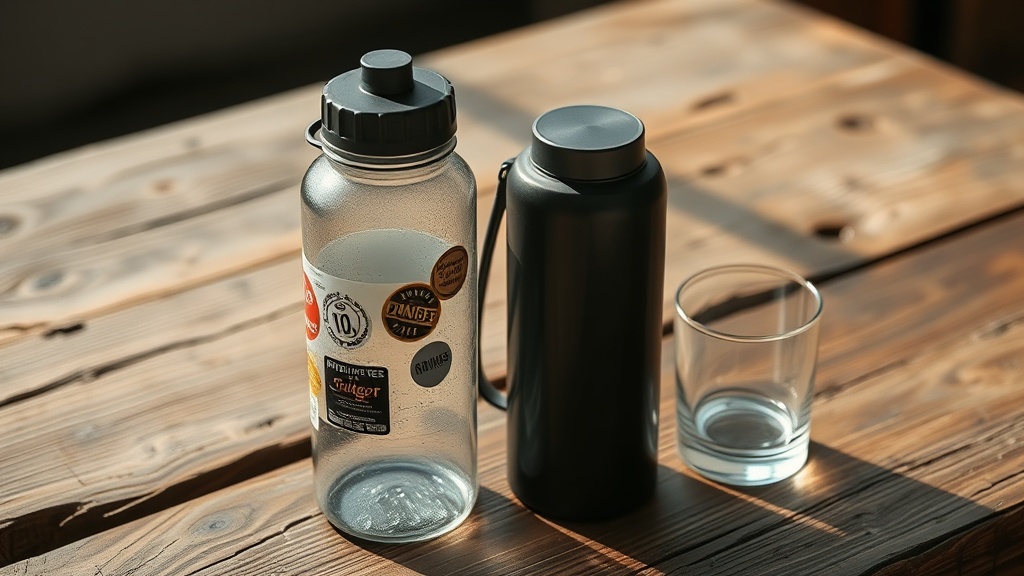
If you’ve been following my audits for a while, you know about "The Tank"—my battered, sticker-covered 32oz Nalgene. It is not sleek. It does not fit the modern eco-aesthetic. But I've had it for a decade, and that makes it the most sustainable piece of gear I own.
The most radically sustainable lifestyle choice you can make this April isn't buying a $45 bamboo-and-glass travel tumbler. It’s maintaining, repairing, and using the unphotogenic gear you already own until it completely fails.
Progress over perfection, fellow humans. Don't let the marketing algorithms convince you that your dirty boots and scratched water bottles aren't good enough. The math checks out: the greenest gear is the stuff currently sitting in your closet.
Vibe check: are you traveling to see the world, or traveling to look like you're saving it? Let's stick to the former.