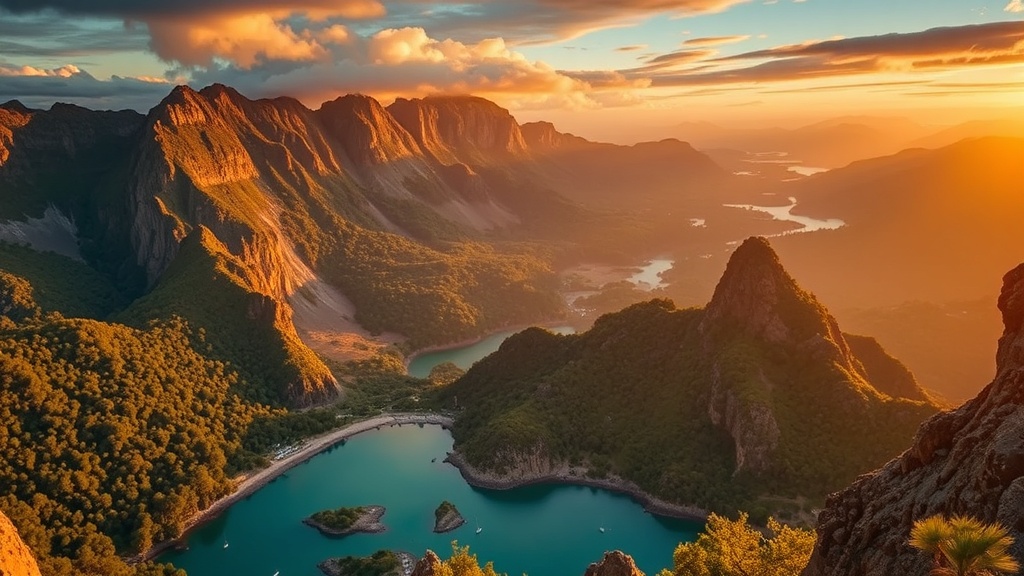
10 Breathtaking Eco-Friendly Adventure Destinations for Conscious Travelers

Costa Rica - The Cloud Forests of Monteverde
Norway - Sustainable Fjord Exploration
New Zealand - Milford Track Great Walk
Bhutan - The Land of Gross National Happiness
Kenya - Community-Led Wildlife Safaris
Iceland - Renewable Energy and Volcanic Landscapes
Slovenia - Europe's Green Capital Ljubljana
Palau - The World's First Shark Sanctuary
Ecuador - The Galapagos Islands Conservation Model
Finland - Lakeland Sustainable Cabin Stays
This post covers ten verified eco-friendly adventure destinations with measurable sustainability credentials, specific conservation data, and practical budget breakdowns. Readers searching for genuine green travel options face a market saturated with vague "eco" claims and greenwashing tactics. Each destination below includes third-party certifications, actual visitor limits, carbon footprint data, and on-ground costs to help plan trips that deliver real environmental impact rather than marketing fluff.
1. Costa Rica: The Certification Standard
Costa Rica's Certification for Sustainable Tourism (CST) program remains one of the most rigorous eco-certifications globally. Administered by the Costa Rican Tourism Board, the CST evaluates lodges across 153 criteria spanning waste management, water consumption, and community engagement.
The Numbers:
- Over 400 tourism businesses hold CST certification
- 93% of the country's electricity comes from renewable sources
- 27% of national territory protected in reserves and parks
Visit the Osa Peninsula, home to 2.5% of the world's biodiversity. Lapa Rios Ecolodge operates on 1,000 acres of private rainforest reserve and employs 95% local staff. Nightly rates start at $380 including meals, but budget travelers can access the same ecosystem through Drake Bay hostels ($25-40/night) and day passes to Corcovado National Park ($15 entry + $35 guided tour).
Reality Check: Costa Rica's popularity has created pressure points. Manuel Antonio National Park caps daily visitors at 600 on weekdays and 800 on weekends—book three weeks ahead during dry season (December-April).
2. Norway: Fjords with Emissions Data
Norway's Sustainable Destination standard requires certified locations to reduce energy consumption by 10% annually and document carbon footprint per visitor. The program covers 13 destinations including the Geirangerfjord and Svalbard.
The Numbers:
- Geirangerfjord cruise traffic capped at 180 ships annually (down from 300+ pre-2020)
- Electric ferries now service 40% of fjord routes
- Every kilogram of CO2 generated per visitor tracked through Innovation Norway's database
The Jotunheimen National Park offers hut-to-hut trekking across 3,500 square kilometers of protected wilderness. The Norwegian Trekking Association (DNT) operates 550 cabins with strict waste-to-landfill targets—currently at 85% waste diversion. A DNT membership (750 NOK/$72 annually) provides access to unstaffed cabins at 350-500 NOK ($33-48) per night.
"We measure success by kilograms of waste diverted, not Instagram tags," notes the Norwegian Trekking Association's 2023 impact report.
3. New Zealand: The Tiaki Promise with Teeth
New Zealand's Tiaki Promise isn't optional rhetoric—it's embedded in Department of Conservation (DOC) concession agreements. Tour operators must demonstrate active conservation contribution to maintain licenses.
The Numbers:
- DOC manages 8,000 kilometers of walking tracks with $224 million NZD annual conservation budget
- Great Walks hut fees ($35-115 NZD/night) directly fund track maintenance and predator control
- Predator Free 2050 initiative has eliminated predators from 127 islands totaling 26,000 hectares
The Routeburn Track limits hikers to 40 per hut per night during peak season (October-April). Bookings open at 9:30 AM NZST exactly six months before departure and sell out within hours. The track passes through Mount Aspiring and Fiordland National Parks, covering 33 kilometers over three days.
Budget alternative: Paparoa Track (opened 2019) offers similar alpine scenery with better availability and lower hut fees ($25 NZD/night).
4. Slovenia: Europe's Hidden Green Benchmark
Slovenia's Green Scheme of Slovenian Tourism (GSST) awards destinations bronze, silver, gold, or platinum status based on 96 sustainability indicators. Ljubljana became Europe's first capital to achieve platinum status in 2022.
The Numbers:
- Ljubljana's city center has been car-free since 2008
- 64% of municipal waste recycled (EU average: 48%)
- 76 destinations hold GSST certification
The Soča Valley offers Class III-V whitewater rafting on the emerald Soča River, with strict outfitter licensing through the Slovenian Environmental Agency. Only 12 rafting companies operate on the river, each required to conduct annual river cleanup events and maintain 1:8 guide-to-client ratios. Rafting trips cost €45-75 including equipment and transport.
Hiking in Triglav National Park (entry free) requires adherence to Alpine Convention protocols—staying on marked trails is legally enforced with fines up to €1,200 for off-trail hiking in protected zones.
5. Palau: The Conservation Pledge with Legal Weight
Palau's Ol'au Palau program requires all visitors to sign an eco-pledge stamped into passports. The pledge isn't symbolic—violations carry fines and potential deportation.
The Numbers:
- Rock Islands Southern Lagoon UNESCO site limits daily visitor numbers by permit
- 80% of Palau's maritime territory designated as no-take marine sanctuary (500,000 square kilometers)
- $100 USD "Palau Pristine Paradise Environmental Fee" collected on departure
The Jellyfish Lake remains closed since 2019 due to jellyfish population collapse from overtourism—an honest admission of carrying capacity exceeded. Alternative: German Channel offers manta ray cleaning stations with 95% sighting probability December-March. Dive permits cost $50/day.
Accommodation runs expensive ($150-400/night), but the Palau Community College dormitory opens to travelers during semester breaks at $35/night with shared facilities.
6. Bhutan: High Value, Low Volume, Documented Impact
Bhutan's $200 USD daily Sustainable Development Fee (SDF) generates transparent revenue streams. The fee isn't arbitrary—it funds free healthcare, education, and conservation programs.
The Numbers:
- SDF revenue: $84 million USD annually
- 72% of land under forest cover (constitutional mandate: minimum 60%)
- Tourism capped at approximately 100,000 visitors annually pre-pandemic
The Snowman Trek—23 days across 356 kilometers crossing 11 passes over 4,500 meters—requires mandatory guides and support teams. The $250-300 daily rate (including SDF) supports approximately 12 local jobs per trekker (guides, cooks, horsemen, porters).
Budget travelers can access similar Himalayan ecosystems through Merak-Sakteng (6 days, lower permit costs) or Phobjikha Valley winter black-necked crane viewing (November-February, $5 entry fee).
7. Iceland: Renewable Energy and Overtourism Mitigation
Iceland generates 100% of electricity from renewable sources (73% hydropower, 27% geothermal). The Icelandic Tourist Board's Vakinn certification program audits environmental performance across 230+ criteria.
The Numbers:
- Fjaðrárgljúfur Canyon closed entirely in 2019 due to foot traffic damage; now limited to 300 visitors daily with online booking required
- Geothermal heating provides 90% of space heating and hot water nationwide
- Carbon tax of $35 USD per ton implemented on aviation fuel
The Laugavegur Trail (55 kilometers, 4 days) connects Landmannalaugar to Þórsmörk through volcanic landscapes. Huts operated by Ferðafélag Íslands cost 10,000 ISK ($72) per night and book out six months in advance. Camping alternatives cost 3,000 ISK ($22) but require carrying full gear.
Pragmatic Tip: Skip the overcrowded Golden Circle. The Westfjords receive 10% of tourist volume with comparable geothermal features and better wildlife viewing (Arctic fox dens at Hornstrandir).
8. Rwanda: Gorilla Permits as Conservation Currency
Rwanda's mountain gorilla permit system transformed poaching economics. At $1,500 per permit (highest globally), the program generates $20+ million USD annually for conservation.
The Numbers:
- Mountain gorilla population increased from 680 (2008) to 1,063 (2018) across Rwanda, Uganda, and DRC
- Only 96 permits issued daily for Volcanoes National Park
- 10% of permit revenue distributed directly to surrounding communities ($2 million USD in 2022)
Treks last 1-8 hours depending on gorilla family location, with one hour of observation permitted. Groups limited to 8 visitors. The Sabyinyo Silverback Lodge ($1,200/night) and Five Volcanoes Boutique Hotel ($180/night) both employ 95%+ local staff and source 80%+ food within 50 kilometers.
Budget access: Nyungwe Forest chimpanzee tracking permits cost $90, with habituated colobus monkey troops available for $60. The canopy walkway ($60) spans 160 meters at 50 meters height through primary rainforest.
9. Azores, Portugal: UNESCO Biosphere with Enforcement
The Azores archipelago holds UNESCO Biosphere Reserve status across all nine islands. The Regional Government's sustainability charter mandates that 100% of electricity from renewable sources by 2030 (currently at 60%).
The Numbers:
- Only 48 whale-watching operators licensed across all islands
- Strict approach protocols: 100-meter minimum distance, 30-minute maximum observation time
- Sperm whale resident population: approximately 2,500 individuals
Pico Island offers 2,351-meter Mount Pico climbs requiring mandatory guides and registration (€25 fee, €12.50 for Azores residents). The mountain hut at 2,250 meters accommodates 32 people nightly on a first-come basis—bring sleeping bags rated to -5°C.
Santa Maria Island receives 5% of Azores tourism traffic but offers identical diving (water temperature 22-25°C June-October) and 95% probability of whale sightings July-September. Accommodation averages €45/night versus São Miguel's €85.
10. Finland: Everyman's Right with Responsibilities
Finland's jokamiehenoikeus (Everyman's Right) allows free camping, foraging, and access across private land—but with strict conditions often omitted from social media coverage.
The Numbers:
- Must stay 150-200 meters from occupied dwellings
- Open fires prohibited without landowner permission (except designated sites)
- Forest certification covers 90% of commercial forests (PEFC/FSC)
The Karhunkierros Trail (Bear's Ring, 82 kilometers) in Oulanka National Park follows the Oulankajoki River through boreal forest and canyon terrain. Free wilderness huts spaced every 10-15 kilometers provide basic shelter—first-come, first-served. The trail starts at Hautajärvi (bus from Kuusamo, €8.50) and ends at Ruka with shuttle service.
Winter alternative: Hossa National Park (established 2017, 11,000 hectares) offers 100 kilometers of cross-country ski trails with heated lean-tos every 5-10 kilometers. Equipment rental in nearby villages runs €20/day for ski packages.
Budget Reality Check
Eco-friendly travel carries premium costs, but strategic planning reduces impact without breaking budgets:
- Shoulder season travel (April-May, September-October) cuts accommodation costs 30-50% while reducing overtourism pressure
- National park camping ($0-25/night) versus ecolodge stays ($200-500/night) delivers identical ecosystem access
- Regional flights via TAP Air Portugal (Azores), Widerøe (Norway), and Fiji Airways (Pacific) publish verified carbon offset data—use it
Destinations without carrying capacity limits, transparent fee structures, or third-party certifications should raise red flags. Genuine sustainability programs publish annual impact reports with measurable metrics—demand them.